Build catalogue
Carsten Ullerup's 1967 Triumph Spitfire Rover V8 Conversion
 britishv8.orgBritish V8 Newsletter, Volume XV Issue 1, April 2007
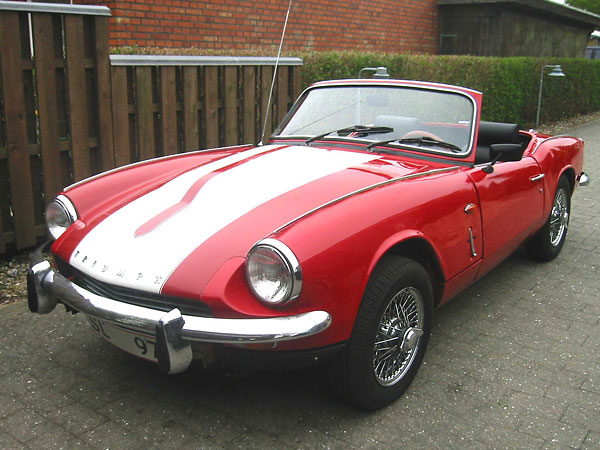 Photo: britishv8.org
A 1967 Triumph Spitfire rebuilt with a Rover SD1 3.5L V8
Carsten Ullerup fitted a rebuilt Rover SD1 V8 into his 1967 Triumph Spitfire, fabricating his own motor mounts, headers, cooling system, and console during a seven-month build. The write-up is worth reading for the amount of home fabrication involved, from custom headers to a walnut instrument console, and for his honest notes on gearing after the first test drives.
Specs
As the owner states it.
- Engine
- 1987 Rover SD1 Vanden Plas 3500cc V8, rebuilt
- Intake
- Edelbrock 500cfm carburetor and Edelbrock Performer intake manifold, with custom air filter mounting
- Cam
- Standard camshaft, with new lifters and valvetrain
- Exhaust
- Homemade stainless steel block-hugger 4-into-1 headers
- Cooling
- Custom radiator by Nordjysk Klerfabrik, custom fabricated thermostat housing/water neck, large pushing electric fan
- Transmission
- Borg Warner Type 65 three-speed automatic (1.00:1 top gear), custom-made gear selector
- Driveshaft
- Rover driveshaft, cut to fit, flange re-bored to match
- Rear Axle
- Original Triumph
- Instruments
- VDO Cockpit Royale gauges
- Completed
- April 15, 2007
Parts used
What the owner names in the write-up, grouped the way the Parts page groups them. Where one of the shops we index lists the same thing for this car, it is shown underneath with a link to the shop.
Engine 1
- Rover SD1 3.5L V8 engineRover
Rebuilt and installed as the replacement powerplant for the Spitfire
Fuel & Ignition 2
- Edelbrock 500cfm carburetorEdelbrock
Fitted for induction on the V8 conversion
- Edelbrock Performer intake manifoldEdelbrock
Paired with the carburetor for the induction setup
In the shops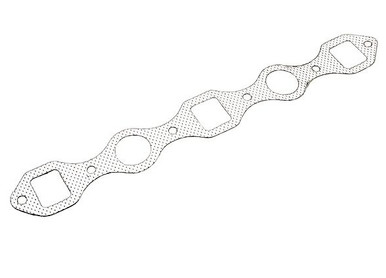 Intake/Exhaust Manifold Gasket ↗
 bpnorthwest.com· $8.99 USD
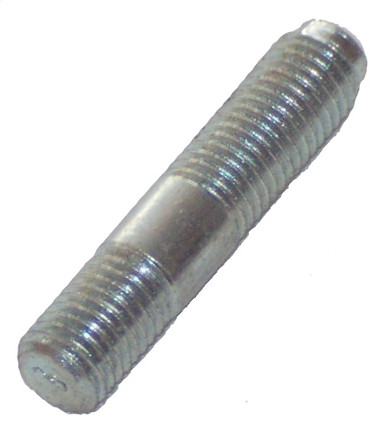 Intake/Exhaust Manifold Stud (Short) ↗bpnorthwest.com· $3.69 USD
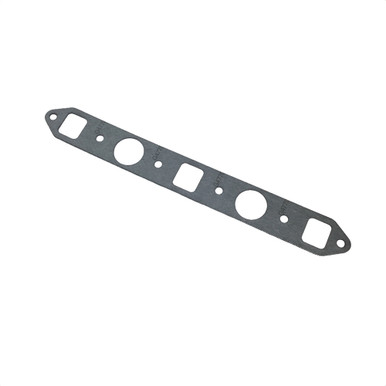 Intake and Exhaust Manifold Gasket (A-Series) ↗bpnorthwest.com· $2.49 USD
Cooling 2
- Custom radiatorNordjysk Klerfabrik
Built to cool the V8 swap, with a remotely mounted pressure-cap bung
- Electric cooling fan
Large fan mounted to push air through the radiator
In the shops Cooling Fan ↗
 Moss Motors – Triumph TR6/TR250· $17.99 USD
 Metal Cooling Fan ↗Moss Motors – Triumph TR6/TR250· $0.00 USD
 7-Blade Cooling Fan ↗Moss Motors – Triumph TR6/TR250· $73.75 USD
Gearbox & Drivetrain 2
- Borg Warner Type 65 automatic transmissionBorg Warner
Three-speed automatic with 1.00:1 top gear chosen for easy driving
In the shopsBorg & Beck Clutch Kit ↗Moss Motors – Triumph TR6/TR250· $210.00 USD Borg & Beck Clutch Kit ↗Moss Motors – Triumph TR6/TR250· $212.00 USD
 Driveshaft Components (Mk II with Borg-Warner 35 Automatic) ↗Moss Motors – Triumph TR6/TR250· $0.00 USD
 - Rover driveshaftRover
Cut to fit the Spitfire and had its flange re-bored to match
In the shops Driveshaft Nut M24 x 2.0 | Genuine Land Rover LR024151 ↗Moss Motors – Triumph TR6/TR250· $11.50 USD
Body & Trim 1
- Fiberglass bonnet bulge
Custom-made streamlined bulge, finished with extensive sanding and priming
Interior 2
- VDO Cockpit Royale gauge setVDO
Fitted into a custom-milled solid-walnut instrument console
- Replacement seatsTuningleader (Belgium)
New seats fitted on custom-made frames
Photos
All 40 pictures in the write-up, in the order they were posted, shown from britishv8.org. A picture opens larger here, with the way through to the page it is on.
How it was done
Sourcing the donor engine
The project began by pulling the 3.5L V8 from a 1987 Rover SD1 Vanden Plas, a stock engine rated at 156 bhp. Around the same time, Carsten pulled the original Triumph engine and gearbox out of the Spitfire to make way for the swap.
Trial fit and mounts
A first trial installation of the Rover V8 was done purely to investigate fit and clearances. From this, Carsten designed, fabricated, and installed his own custom motor mounts to properly locate the V8 in the Spitfire's engine bay.
Chassis and suspension refresh
With the engine out, the Spitfire body was removed from the chassis so Carsten could overhaul the frame. The suspension was refreshed at the same time, and he worked through the drivetrain layout needed to mate the V8 to its new transmission and driveshaft.
Engine rebuild and head porting
The Rover engine was carefully disassembled and rebuilt. Carsten ported the cylinder heads himself, then reassembled them with new valves before honing the cylinders and building up the short-block, fitting timing gear, chain, and oil pick-up. New rocker-arm assemblies were bought and fitted along with hydraulic lifters and pushrods.
Exhaust, cooling and induction
He fabricated a set of stainless steel block-hugger 4-into-1 headers with flanges designed to leave room for spark plug access. Cooling was handled with a custom-built radiator, a home-fabricated thermostat housing and water neck, and a large pushing electric fan. For induction he built a low-mounted "cobra head" air filter housing to suit the Edelbrock carburetor and manifold.
Transmission and driveline
A Borg Warner Type 65 three-speed automatic (with a 1.00:1 top gear) was chosen for ease of driving, controlled through a custom-made gear selector that Carsten turned and knurled from aluminum. A Rover driveshaft was cut to fit and its flange re-bored to match, while the original Triumph rear axle was retained.
Interior and body finishing
Carsten designed and milled a solid-walnut console, upper and lower, to house VDO Cockpit Royale instruments. New seats from Tuningleader of Belgium were fitted to custom-made frames. A streamlined fiberglass bonnet bulge was custom made and required extensive sanding and priming to finish properly before the body went back on.
First drives and gearing plans
Completed on April 15, 2007, the car had covered nearly 50km of testing by the next day. Carsten found it very quick with the original 4.11 final drive, but the automatic upshifted to third at just 25 km/h, so he plans to convert to a BMW or Mercedes final drive near 3.10:1 for more relaxed cruising.
A summary in our own words. The full account, with all its detail, is the owner's: read it at britishv8.org ↗
Worth knowing
- Choosing an automatic with a low 1.00:1 top gear made the car easy to drive but shifts too early with the stock 4.11 final drive
- Planning a lower numerical final drive ratio (around 3.10:1) would suit highway cruising better than the original Triumph ratio
- Fabricating own motor mounts and headers allowed a tight, block-hugging fit that a bought kit might not achieve
- Trial-fitting the engine before finalizing mounts helped work out clearance and drivetrain issues early
- Careful head porting and a full rebuild of the donor engine paid off in strong on-road performance