Build catalogue
Neil Brown's 1968 TR-250 with a Triumph Stag V8 Engine
 britishv8.orgas published in British V8 Newsletter, Volume X Issue 3, September 2002
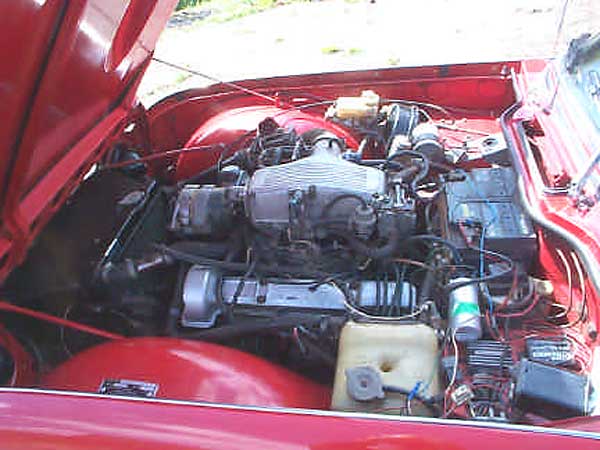 Photo: britishv8.org
1968 Triumph TR250 rebuilt with a Triumph Stag V8 engine
Neil Brown, a busy Staffordshire farmer, chose the Triumph Stag V8 over the more popular Rover V8 because it promised the quickest conversion while keeping his original TR gearbox. The write-up explains the packaging tricks needed to fit the wider engine, the steering and gearlever changes this forced, and the cooling and reliability fixes drawn from Stag specialists. It is a useful read for anyone weighing a Stag-engined swap against the usual Rover route.
Specs
As the owner states it.
- Engine
- Triumph Stag V8, 180 cu in, iron block, aluminum heads
- Induction
- Ex-Rover EFI system (replaced original Holley 390cfm 4-barrel carburetor)
- Gearbox
- Original Triumph TR250 gearbox retained, adapted to Stag engine
- Rear axle
- 3.45 ratio rear axle (swapped from original 3.7 ratio)
- Suspension
- Original rear suspension retained; hard polyurethane pivot bushes fitted to trailing arms
- Cooling
- Enlarged header tank with automatic air-bleed from radiator top
Parts used
What the owner names in the write-up, grouped the way the Parts page groups them. Where one of the shops we index lists the same thing for this car, it is shown underneath with a link to the shop.
Engine 1
- Triumph Stag V8 engine
180 cu in iron block/aluminum head V8 swapped in place of original six-cylinder engine
In the shops Triumph Stag Trunk Seal ↗
 Sports & Classics· $27.95 USD
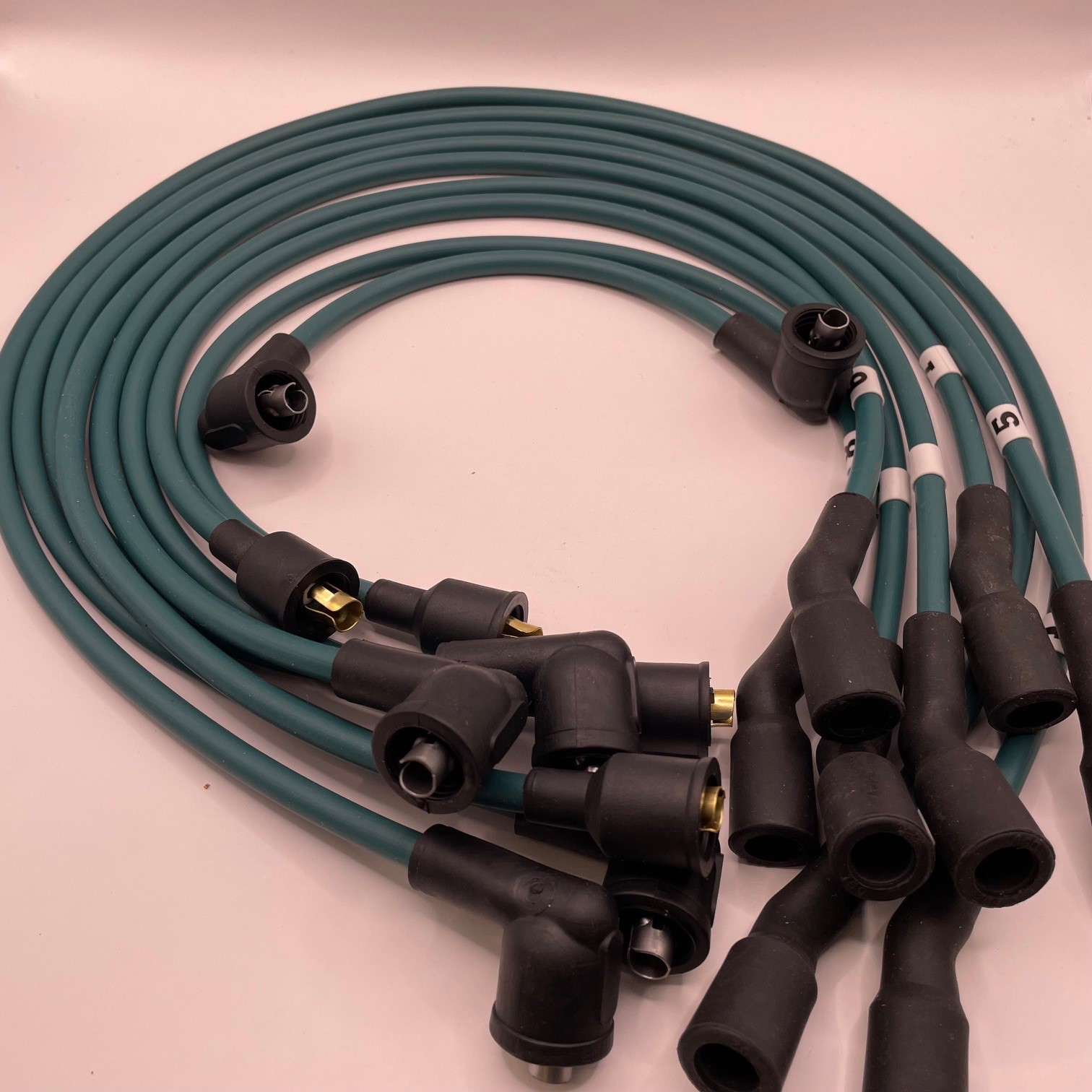 Ignition Lead Set (Triumph Stag) ↗
 Triumph Special Tuning (TST)· £25.00 GBP
 Repair Operation Manual (Triumph Stag) ↗
 Moss Motors – Triumph TR6/TR250· $75.60 USD
Fuel & Ignition 2
- Holley 390cfm 4-barrel carburetorHolley
Initial induction setup, later replaced due to flat spots
- Rover EFI induction systemex-Rover
Fitted in place of the carburetor to improve driveability and power
In the shops Fuel Tank - Land Rover V8 EFI + M52 ↗
Angloparts· €1,014.21 EUR
Cooling 2
- Enlarged header tank
Fitted to help keep the water pump submerged, on advice of Stag specialists
In the shops XJ-40 Header Tank ↗Moss Motors – Triumph TR6/TR250· $300.34 USD
 Header Tank, Alloy ↗Moss Motors – Triumph TR6/TR250· $831.07 USD
 - Automatic air-bleed valve
Fitted from radiator top to header tank to improve cooling system bleeding
Gearbox & Drivetrain 2
- Original Triumph TR250 gearbox
Retained and adapted to mate with the Stag V8
In the shops Triumph TR250 Boot Badge ↗
 TRGB· £32.45 GBP
 Servo Hose - Triumph TR5/TR250/TR6 ↗
 Racetorations· £10.00 GBP
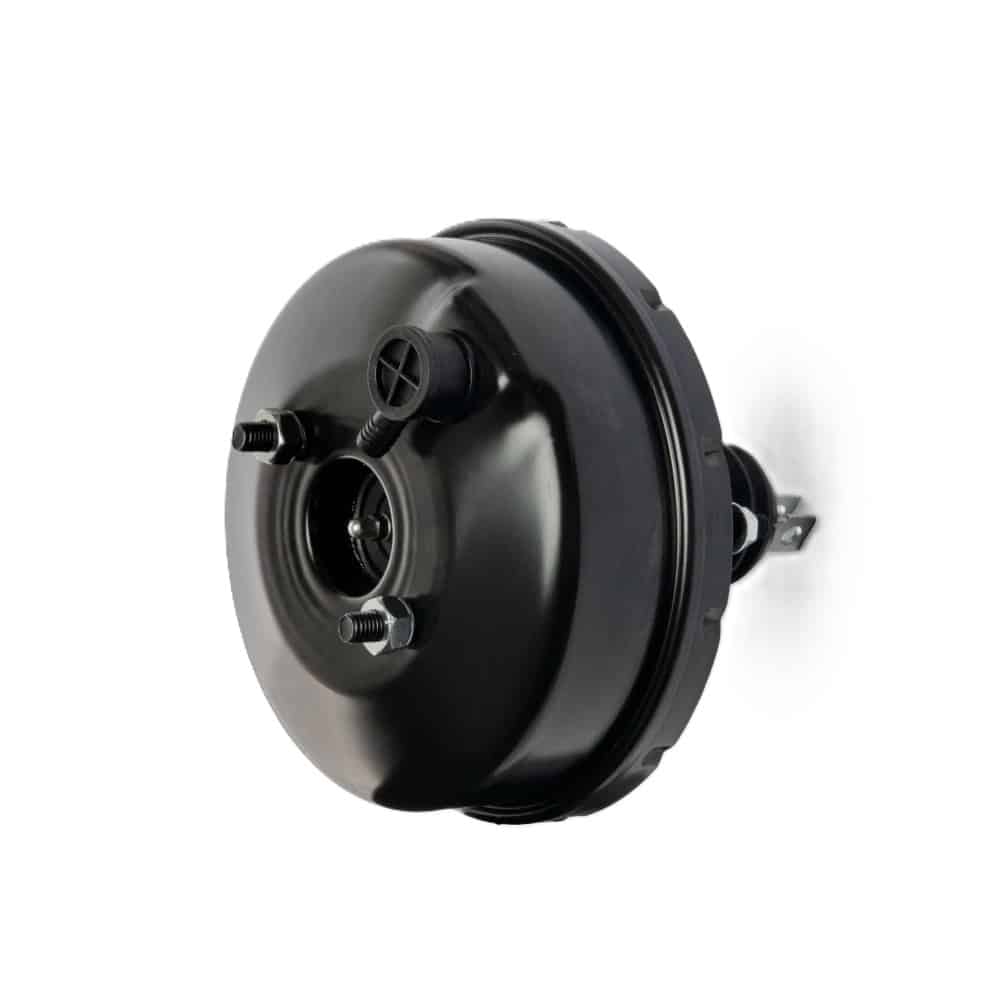 Brake Servo - Triumph TR5/TR250/TR6 ↗Racetorations· £115.00 GBP
 - Rear axle, 3.45 ratio
Swapped in place of original 3.7 ratio axle for better gearing with the V8
Suspension & Steering 2
- Polyurethane trailing arm pivot bushes
Fitted to rear trailing arms, held up well under daily use
In the shopsTrailing Arm Assembly with Bushes (Left) ↗Moss Motors – Triumph TR6/TR250· $0.00 USDTrailing Arm Assembly with Bushes (Right) ↗Moss Motors – Triumph TR6/TR250· $0.00 USD Polyurethane Trailing Arm Bush Set (TR4A-6) ↗TRGB· £40.65 GBP
 - Lower steering column with extra u-joint
Custom made after moving the steering rack an inch to the right to clear the offset engine
In the shops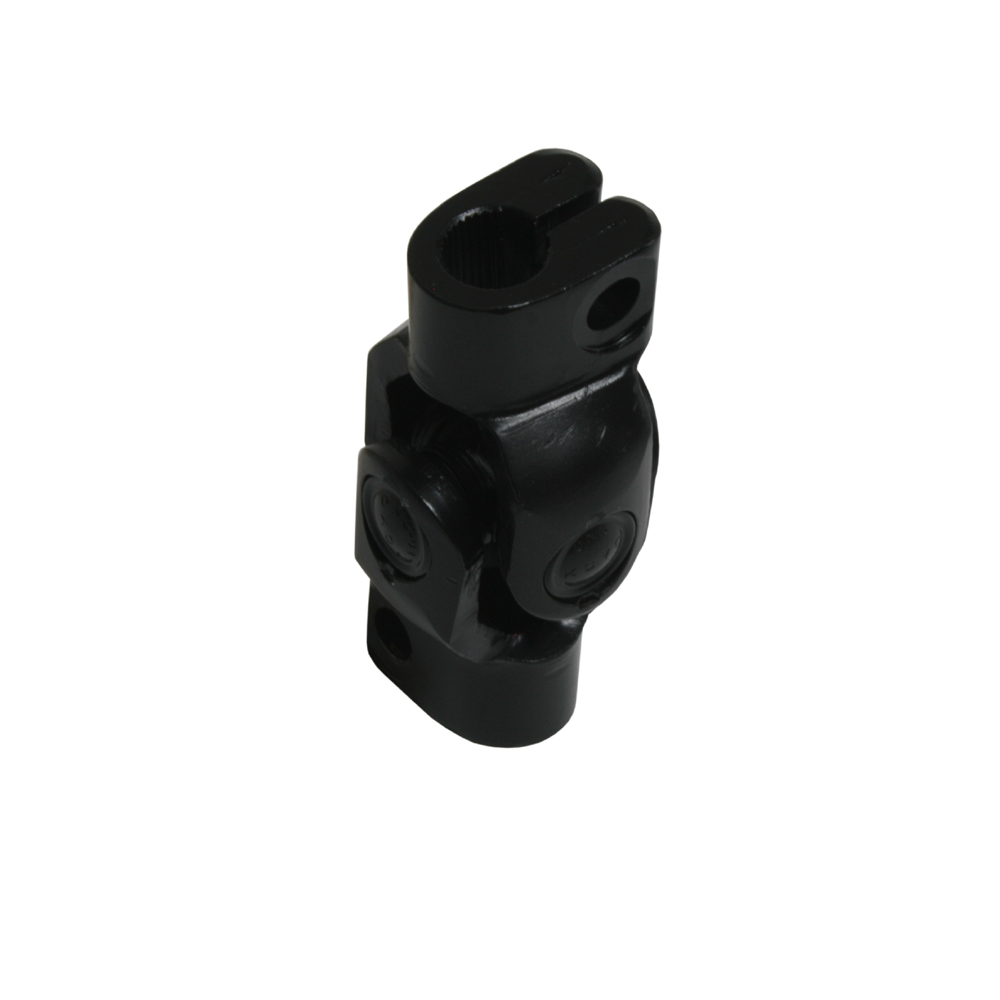 Lower Steering Column Universal Joint (TR4-6) ↗Racetorations· £98.00 GBPLower Steering Column ↗Moss Motors – Triumph TR6/TR250· $34.95 USD
 Steering Column Universal Joint TR5/TR6 ↗TRGB· £54.95 GBP
Photos
All 2 pictures in the write-up, in the order they were posted, shown from britishv8.org. A picture opens larger here, with the way through to the page it is on.
How it was done
Choosing the engine
Wanting a quick V8 transplant despite little spare time, Neil first considered the common Rover V8 but found its gearbox and exhaust header fitment awkward. Since he wanted to keep his original TR gearbox, he worked forward from there and concluded the Triumph Stag V8 would be an easier overall fit.
Gearbox and gearlever
The original TR gearbox was similar enough to the Stag's transmission to retain. Because the Stag gearbox sits at a slight angle behind the engine, the gear lever twisted sideways, so Neil cut the lever above the ball, welded on a plate, and re-welded the lever to correct the angle.
Fitting the engine and steering
The Stag's angled exhaust header flanges made routing pipes past the block far easier than the Rover's vertical flanges. Neil still had to shift the engine an inch left for steering column clearance, which meant moving the steering rack an inch right and building a new lower steering column with an extra u-joint.
Size and bulkhead fit
The Stag engine proved about an inch shorter and an inch lower than the original six-cylinder unit, so it sat clear of the bulkhead and the bonnet closed easily even with the EFI induction fitted.
Reliability and cooling
Aware of the Stag engine's reputation for overheating and warped heads, Neil consulted UK Stag specialists. He learned to change oil and filter every 3000 miles and timing chains around every 30000 miles. He fitted an enlarged header tank with an automatic air-bleed to keep the water pump submerged.
Drivetrain and rear axle
Keeping the original gearbox meant the prop-shaft, rear suspension and drive shafts needed little change. He fitted hard polyurethane pivot bushes to the trailing arms with no problems in daily use. He also swapped the standard 3.7 rear axle for a taller 3.45 ratio, which worked well.
Induction upgrade
The initial Holley 390cfm 4-barrel carburetor suffered flat spots, so Neil switched to an ex-Rover EFI system, which he felt transformed the car's balance of manners and power.
A summary in our own words. The full account, with all its detail, is the owner's: read it at britishv8.org ↗
Worth knowing
- Change the Stag V8's oil and filter every 3000 miles to protect the timing chains
- Expect to replace timing chains around every 30000 miles, sooner if they get noisy
- Fitting an enlarged header tank and auto air-bleed helps keep the water pump submerged
- A carburetor can leave flat spots; EFI gave better balance of manners and power
- Upgraded universal joints will likely be needed to handle the V8's extra torque