Build catalogue
Dale Knapke's 1972 TR-6 with 2.3L Ford SVO Turbo-4
 britishv8.orgBritish V8 Newsletter, Volume XV Issue 2, September 2007 (additional photos July 2013)
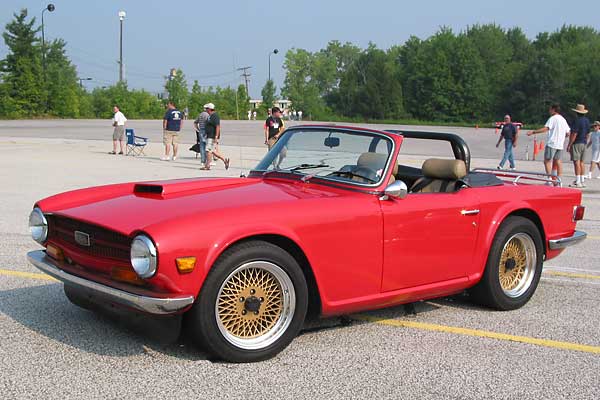 Photo: britishv8.org
A 1972 TR6 rebuilt with a turbocharged Ford 2.3L four-cylinder
Dale Knapke replaced his TR6's inline six with a turbocharged and fuel-injected 2.3L Ford SVO four-cylinder, then built a custom four-link rear suspension and drag-strip-capable drivetrain around it. Over decades he kept developing the engine, eventually reaching close to 400 horsepower, and rebuilt the car again after a track-day crash, adding a rollcage and a longer wheelbase. The write-up is worth reading for a first-hand account of a four-cylinder conversion that its builder argues is simpler than a typical V8 swap.
Specs
As the owner states it.
- Engine
- 2.3L (140cid) Ford SVO 4-cylinder from a 1987 Thunderbird Turbo Coupe, turbocharged and fuel injected
- Cooling
- Custom aluminum radiator and 16 inch electric fan
- Exhaust
- Stainless steel tubular header, single 3 inch turbo downpipe splitting into dual 2.25 inch tubes into dual mufflers
- Transmission
- Ford Motorsport Heavy Duty T5 5-speed with 2.95:1 first gear
- Clutch
- Centerforce stage-3 clutch with McLeod hydraulic throw-out bearing
- Rear axle
- Ford 9 inch with 3.89:1 ratio, Moser aluminum center section, Moser narrowed axles, Ford Motorsport limited slip differential
- Suspension
- Front stock with relocated inboard lower A-arm pivot points; owner designed and built 4-link rear suspension with QA1 adjustable coilover shocks
- Brakes
- Wilwood master cylinder, Wilwood Dynalight 12.18 inch vented front brakes, Ford Turbo Coupe 10.5 inch vented rear brakes
- Wheels
- Front Enki 16x6 inch, rear Enki 16x8 inch
- Tyres
- Front 205/55/R16 Firestone Firehawk, rear 255/50/R16 Firestone Firehawk
- Body
- Mostly stock with a fabricated hood scoop; floor pan over the axle raised 10 inches; rear frame cross brace removed for the 4-link suspension
- Interior
- Custom tan leather upholstery, custom dashboard, steering wheel, radio console, welded-in roll bar
- Electrical
- AutoMeter instruments, battery relocated to trunk
- Weight
- 2395 pounds without driver, 47/53 front-to-rear weight distribution
- Performance
- 11.21 second quarter mile at 121 MPH (later improved to 10.76s at 128 MPH); about 400 horsepower at the engine
Parts used
What the owner names in the write-up, grouped the way the Parts page groups them. Where one of the shops we index lists the same thing for this car, it is shown underneath with a link to the shop.
Engine 5
- 2.3L Ford SVO 4-cylinder engine (1987 Thunderbird Turbo Coupe)Ford SVO
Base engine for the conversion, factory rated around 200 horsepower before modification
In the shops 1957 Ford Thunderbird Red Sun Visor Pair ↗
 Sports & Classics· $149.95 USD
 1957 Ford Thunderbird Green Sun Visor Pair ↗Sports & Classics· $149.95 USD
 - Aluminum D-port cylinder headEsslinger Engineering
Upgraded head fitted to improve airflow and performance
In the shops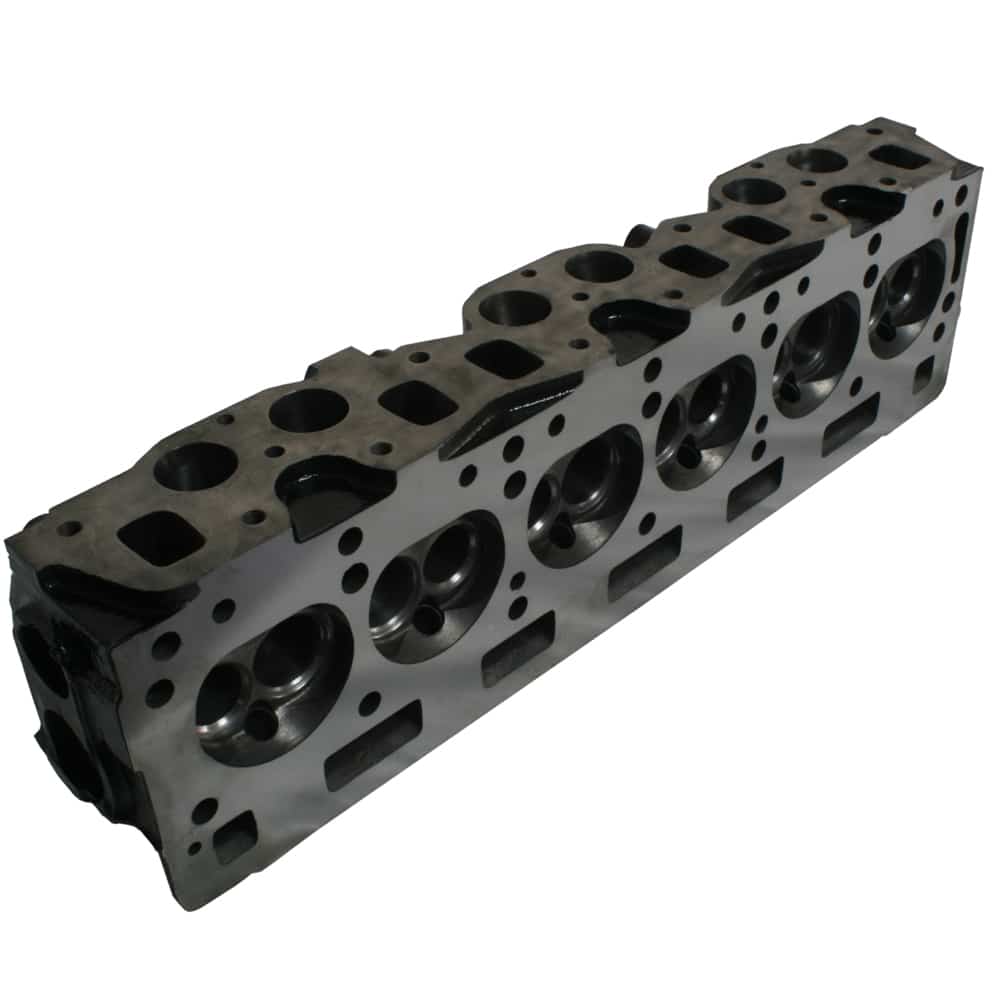 Race Cylinder Head (TR5-6) ↗
 Racetorations· £4,300.00 GBP
 Cylinder Head Stud (TR5-6) ↗Racetorations· £5.83 GBP
 Fast Road Cylinder Head (TR5-6) ↗Racetorations· £3,200.00 GBP
 - 2277 hydraulic roller camshaftEsslinger Engineering
Fitted as part of the engine build
- GT30R76 turbochargerPrecision Turbo
Provides forced induction for the 2.3L engine
- Custom intercooler, 24x13x3 with 3 inch inlet and outlet
Cools intake charge before it enters the engine
In the shopsIntercooler to Inlet Manifold Hose ↗Motaclan Limited· £49.13 GBP
Intercooler to Inlet Manifold Air Hose ↗ Intercooler hose - Turbo Outlet | OEM LR050236P1 ↗
 Moss Motors – Triumph TR6/TR250· $69.75 USD
Fuel & Ignition 2
- DFI Gen VII engine management systemAccel
Controls fuel injection and ignition, replaced earlier system to unlock more power
- K&N gauze air filterK&N
Filters intake air feeding the turbocharger, shown on post-rebuild induction system
In the shops Fuel Filter Gauze ↗
Angloparts· €25.58 EUR
Gauze for Bowl Filter ↗Fuel Pump Gauze Filter (T24) ↗
Cooling 3
- Custom aluminum radiator
Provides engine cooling for the turbocharged conversion
In the shops Aluminum Radiator ↗Moss Motors – Triumph TR6/TR250· $259.31 USD
 Aluminum Radiator ↗Moss Motors – Triumph TR6/TR250· $259.31 USD
 Aluminum Radiator ↗Moss Motors – Triumph TR6/TR250· $356.75 USD
 - 16 inch electric cooling fan
Pulls air through the custom radiator
In the shops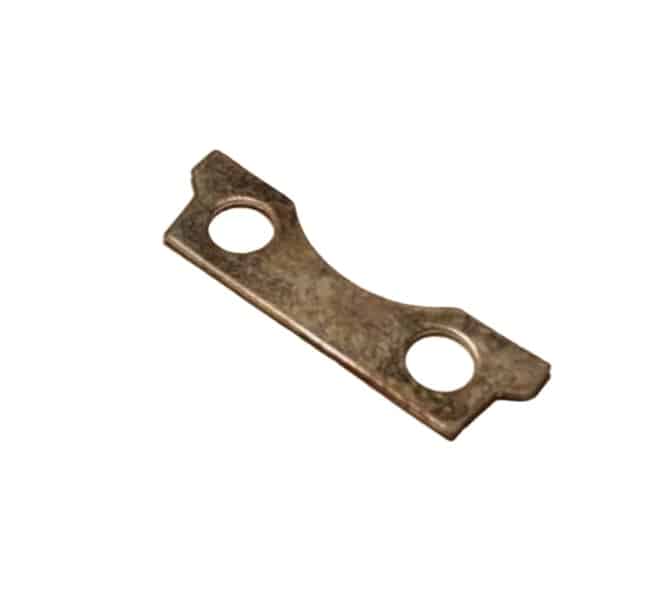 Cooling Fan Lock Tab ↗Racetorations· £2.75 GBP
 Cooling Fan Kit by Revotec ↗Moss Motors – Triumph TR6/TR250· $442.00 USD
 8-Blade Plastic Cooling Fan ↗Moss Motors – Triumph TR6/TR250· $49.00 USD
 - Aluminum radiatorAfco
Fitted during the post-crash rebuild for improved cooling
In the shopsAluminum Radiator ↗Moss Motors – Triumph TR6/TR250· $259.31 USDAluminum Radiator ↗Moss Motors – Triumph TR6/TR250· $259.31 USDAluminum Radiator ↗Moss Motors – Triumph TR6/TR250· $356.75 USD
Gearbox & Drivetrain 5
- Heavy Duty T5 5-speed gearboxFord Motorsport
Manual transmission with a 2.95:1 first gear for the conversion
In the shops Heavy Duty Universal Joint TR2-6 ↗
 TRGB· £40.65 GBP
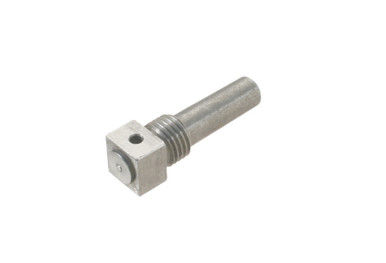 Heavy Duty Clutch Fork Pin (TR2-TR6) ↗
 bpnorthwest.com· $9.39 USD
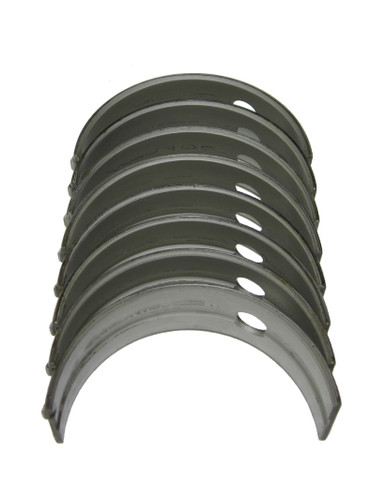 Tri-Metal Heavy Duty Main Bearings (STD) ↗bpnorthwest.com· $108.61 USD
 - Stage-3 clutchCenterforce
Handles the increased power from the turbocharged engine
- Hydraulic throw-out bearingMcLeod
Operates the clutch release
In the shops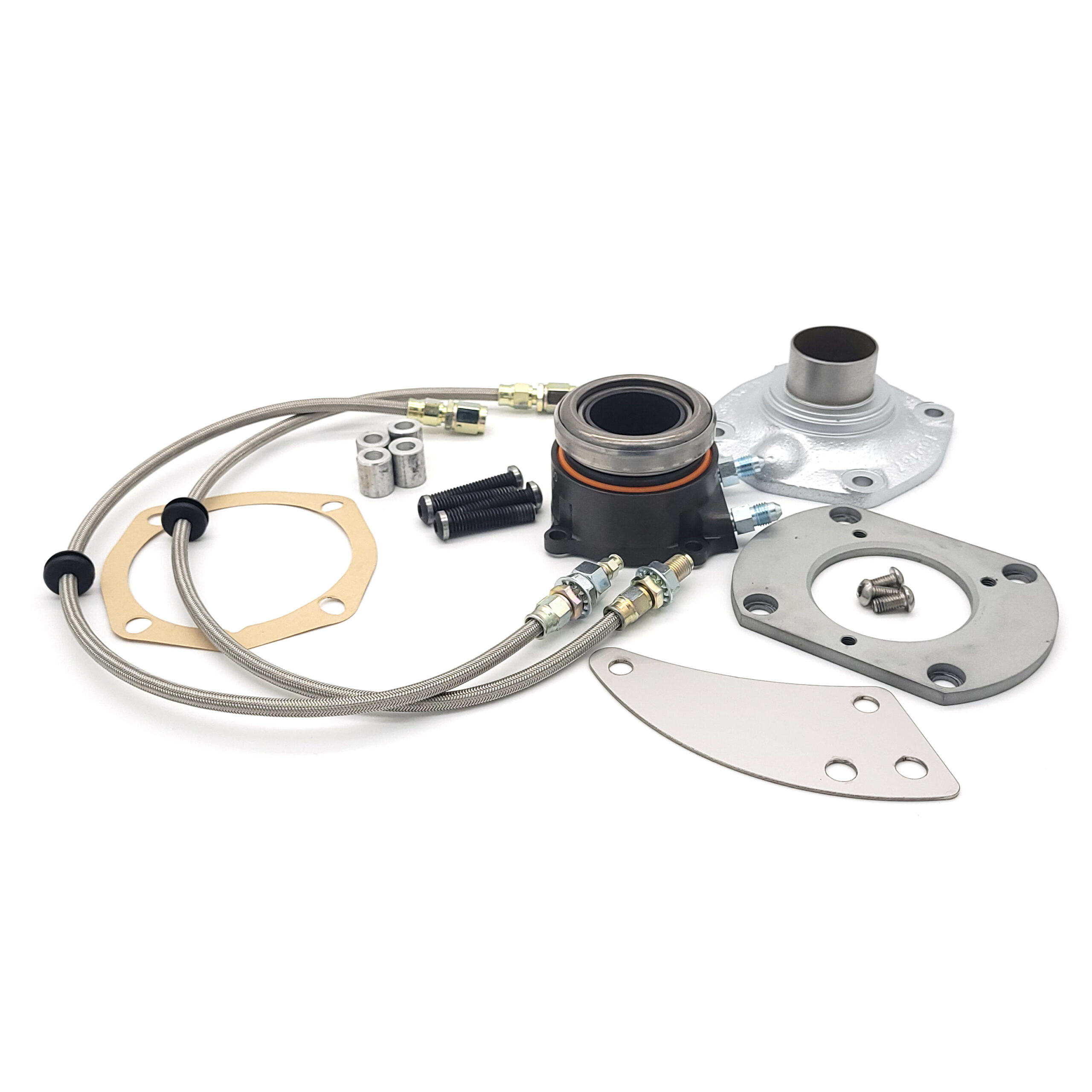 Racetorations Hydraulic Release Bearing Kit (TR2-6) ↗Racetorations· £811.25 GBP
 - 9 inch rear axle assemblyFord / Moser Engineering
Narrowed and fitted with an aluminum center section for the rear end
In the shops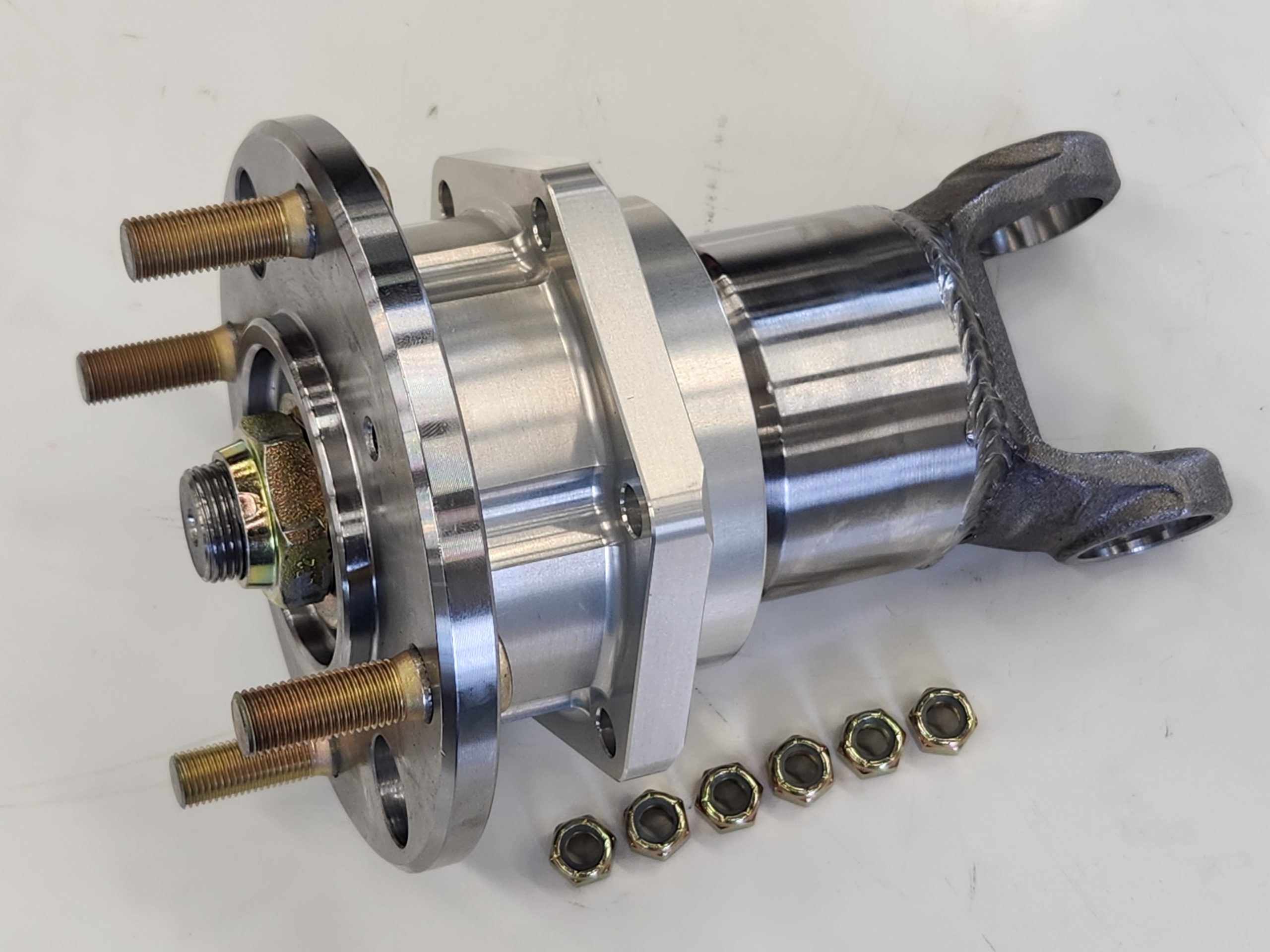 Rear Hub Assembly, Heavy Duty, for Original Axle, TR4A/TR6 ↗
 Good Parts· $379.00 USDRear Hub Assembly, Heavy Duty, for Original Axle, Stag ↗Good Parts· $399.00 USD
 - Limited slip differentialFord Motorsport
Fitted inside the 9 inch axle for traction
In the shops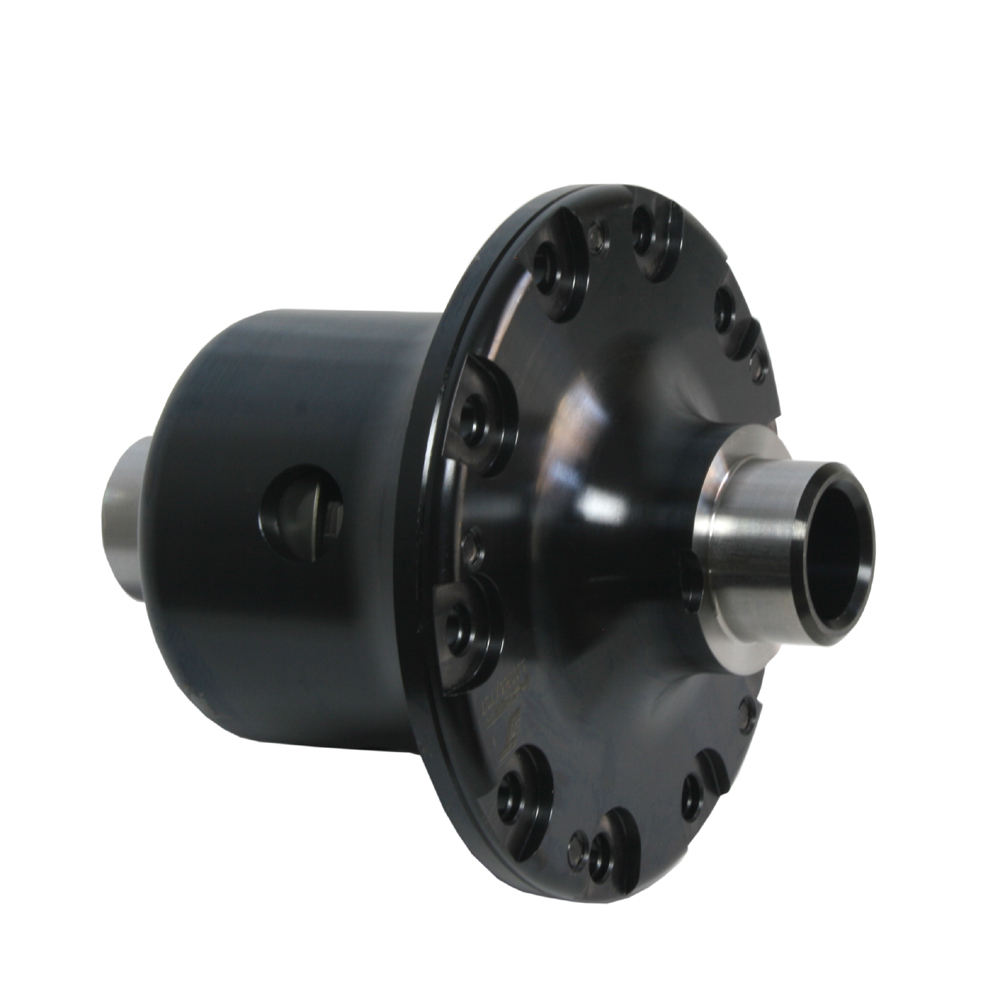 Plate Type Limited Slip Differential (TR4A-6) ↗Racetorations· £1,061.50 GBP
 Red Line Limited-Slip Friction Modifier & Break-In Additive (118ml) ↗
 MazSpec MX-5 Spares & Accessories· £15.00 GBP
 Red Line Limited Slip Friction Modifier & Break-In Additive (Pack of 3 x 118ml) ↗MazSpec MX-5 Spares & Accessories· £39.95 GBP
Suspension & Steering 1
- Adjustable coilover shock absorbersQA1
Used in the owner-designed four-link rear suspension
In the shops Front Shock Absorber, Koni Adjustable ↗Moss Motors – Triumph TR6/TR250· $204.95 USD
 Spax Adjustable Front Shock Absorber Pair ↗Moss Motors – Triumph TR6/TR250· $421.00 USD
 Adjustable Front Shock Absorber Pair by Koni ↗Moss Motors – Triumph TR6/TR250· $526.00 USD
Brakes 3
- Brake master cylinderWilwood
Supplies hydraulic pressure to the upgraded brake system
In the shops Brake Master Cylinder (TR5/6) ↗TRGB· £109.95 GBP
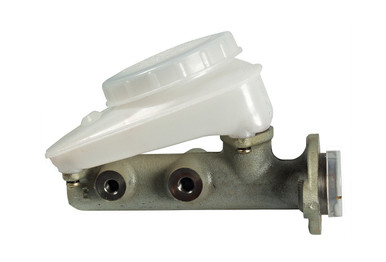 Brake Master Cylinder, Economy (TR250/TR6) ↗bpnorthwest.com· $59.80 USD
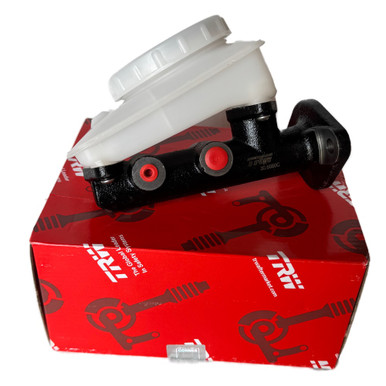 OE TRW Brake Master Cylinder for TR250/TR6 ↗bpnorthwest.com· $207.95 USD
 - Dynalight 12.18 inch vented front brakesWilwood
Front braking upgrade fitted to handle the car's performance
In the shops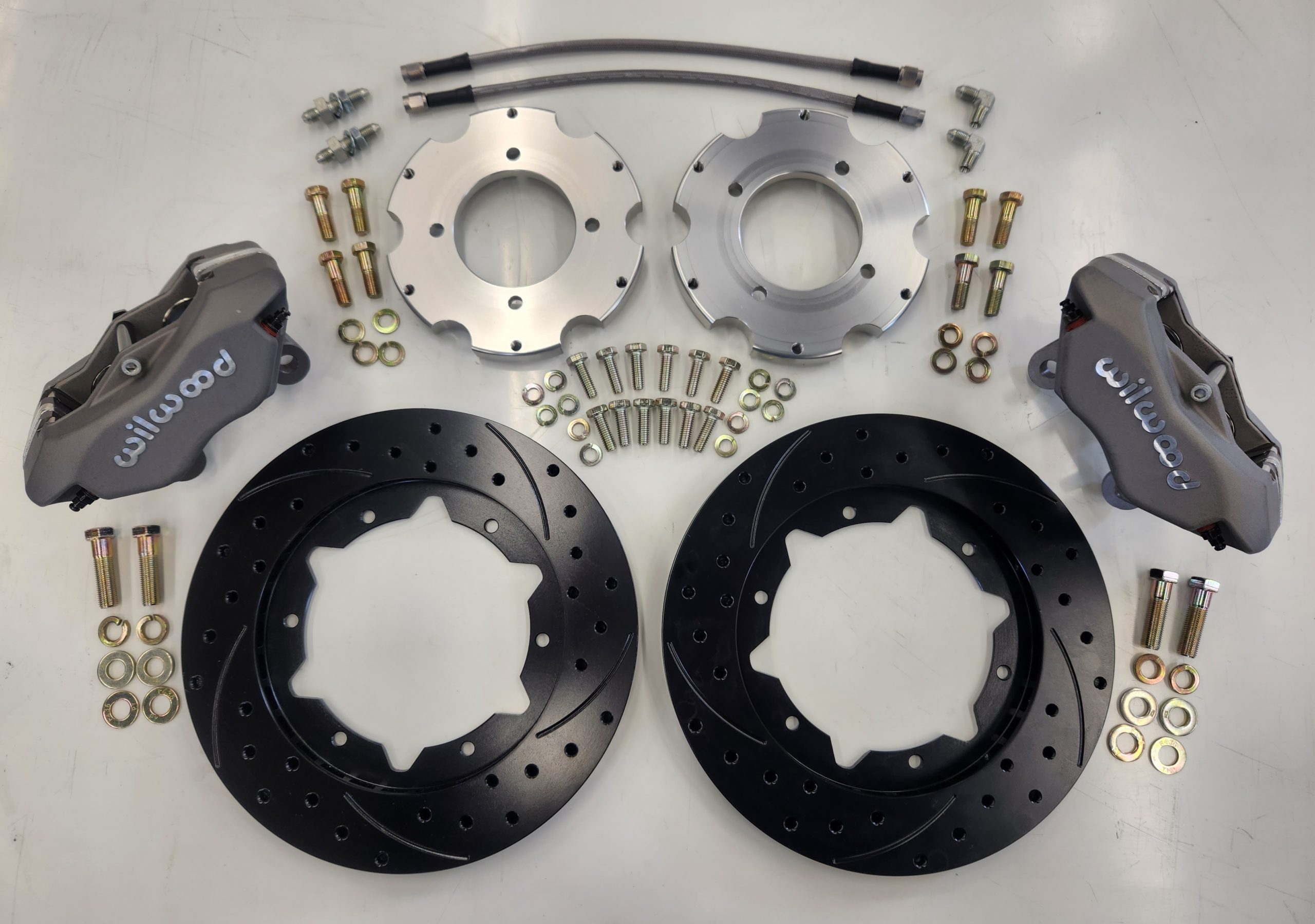 Front Brake Kit, Wilwood 4-Piston Caliper, 11.0 x 0.81 Vented Rotor ↗Good Parts· $799.00 USDFront Vented Brake Disc ↗Vented Front Brake Disc ↗
 - 10.5 inch vented rear brakesFord
Rear brakes sourced from a Ford Turbo Coupe
In the shopsVented Rear Brake Disc ↗Rear Brake Disc Pair (Non-Vented) ↗Rear Brake Disc Pair Boxed (Non-Vented) ↗
Wheels & Tyres 4
- 16x6 inch front wheelsEnki
Front wheel fitment for the conversion
- 16x8 inch rear wheelsEnki
Rear wheel fitment sized for wider rear tyres
- 205/55/R16 front tyresFirestone Firehawk
Front tyre fitted to the Enki wheels
In the shops Inner Tube (16 x 205 Tyre) ↗Moss Motors – Triumph TR6/TR250· $24.75 USD
 - 255/50/R16 rear tyresFirestone Firehawk
Wider rear tyre for traction
Electrical 1
- Instrument gaugesAutoMeter
Fitted in the custom dashboard to monitor the engine
In the shops Instrument Securing Nut (Large Gauges) ↗
James Paddock Ltd· £1.45 GBP
Other 2
- Stainless steel tubular exhaust headerPrecision Turbo
Routes exhaust from the engine into the turbocharger
In the shops Stainless Steel Tubular Exhaust Manifold 6-3-1 ↗Moss Motors – Triumph TR6/TR250· $920.99 USD
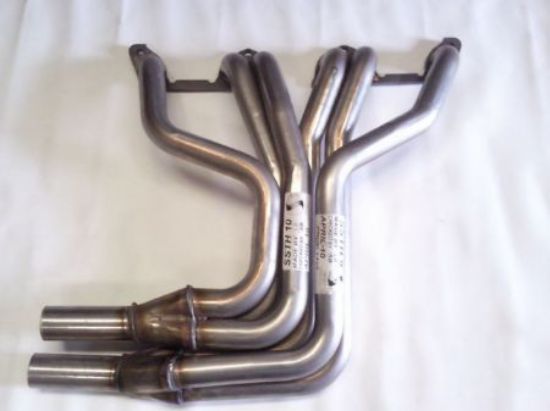 Sports Tubular Stainless Steel Exhaust Manifold ↗
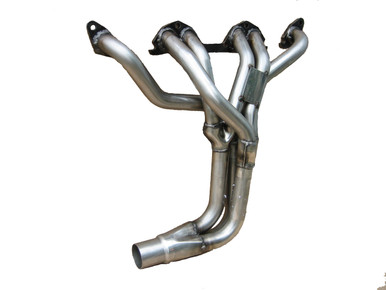 Stainless Exhaust Header (TR250/TR6) ↗bpnorthwest.com· $1,045.23 USD
 - Mufflers, dualSuperTrapp
Final exhaust silencing after the turbo downpipe splits into two tubes
In the shops Headpipe, Dual Muffler System ↗Moss Motors – Triumph TR6/TR250· $105.25 USD
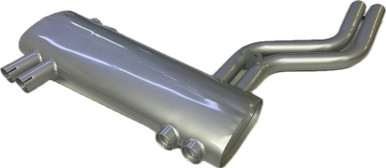 Dual In/Dual Out Muffler (TR6 72-76) ↗bpnorthwest.com· $279.95 USD
Photos
All 30 pictures in the write-up, in the order they were posted, shown from britishv8.org. A picture opens larger here, with the way through to the page it is on.
How it was done
Choosing the engine
Dale started with a 2.3L Ford SVO turbo four from a 1987 Thunderbird Turbo Coupe, a factory engine already good for about 200 horsepower, roughly double the stock TR6 six-cylinder. He built on it with an Esslinger aluminum D-port head, an Esslinger hydraulic roller cam, and a Precision Turbo GT30R76 turbocharger, feeding air through a hood scoop and custom intercooler.
Drivetrain
Power goes through a Ford Motorsport Heavy Duty T5 five-speed with a close 2.95:1 first gear, a Centerforce stage-3 clutch, and a McLeod hydraulic throw-out bearing. The rear axle is a narrowed Ford 9 inch with a Moser aluminum center section and limited slip differential, geared at 3.89:1.
Suspension and chassis changes
The front suspension stayed mostly stock apart from relocating the lower A-arm pivot points for better geometry. The bigger job was designing and building a four-link rear suspension with QA1 coilovers, which needed the floor pan over the axle raised 10 inches and a rear frame cross brace removed.
Brakes, wheels and tyres
Stopping power comes from a Wilwood master cylinder with Wilwood Dynalight 12.18 inch vented front brakes and Ford Turbo Coupe 10.5 inch vented rear brakes. The car rides on Enki wheels, 16x6 up front and 16x8 at the rear, wrapped in Firestone Firehawk tyres sized for grip and drag use.
Body, interior and electrical finishing
Bodywork stayed close to stock aside from the owner-fabricated hood scoop feeding the turbo. Inside, Dale fitted custom tan leather trim, a custom dashboard, steering wheel and radio console, a welded-in roll bar, AutoMeter gauges, and relocated the battery to the trunk.
Ongoing development
Dale kept pushing the engine's output over the years, reaching nearly 300 horsepower before switching to an Accel DFI Gen VII engine management system, after which he got to about 400 horsepower. A dyno session later confirmed 396 horsepower and 398 lb-ft of torque, and his quarter mile times improved as the car matured.
Crash and rebuild
During a track day at Indianapolis in 2010, Dale hit spilled coolant and crashed into a concrete wall, destroying the front clip and bending the frame; he was taken to hospital but still made the group dinner that night. He then rebuilt the car extensively, cutting the frame at the firewall to graft in new metal, adding a 10-point Chrome Moly rollcage, and lengthening the wheelbase by 2 inches to meet NHRA's minimum for his racing class.
A summary in our own words. The full account, with all its detail, is the owner's: read it at britishv8.org ↗
Worth knowing
- A turbo four-cylinder swap needs fewer chassis modifications than a typical V8 conversion, so ground clearance can stay low.
- The stock Ford Turbo Coupe engine management and wiring harness are good starting points and can handle a lot of tuning before becoming a limiting factor.
- A V8-spec T5 gearbox needs a special pilot bearing when paired with the 2.3L engine.
- The four-link rear suspension was the hardest part of the build and is only necessary if wide drag tyres or serious traction are wanted; a stock rear end or TR250 leaf springs would simplify things.
- Track driving carries real risk: a patch of spilled coolant caused a wall impact that destroyed the front clip and bent the frame, leading to a full rebuild with a proper rollcage.